

Pest Control
If you’re dealing with pests or an infestation in your home, our pest control service is here to help.
We’ll work with you to put things right by removing pests from inside your home and taking steps to help
prevent them from coming back, to give you peace of mind.
How we can help
As your landlord, we’re responsible for dealing with:
- Rats – They often leave droppings, gnaw marks, and can make scratching noises in walls or lofts.
- Mice – Signs include droppings, small gnaw marks, and scuttling sounds in the home.
- Bedbugs – Small, reddish-brown insects about the size of an apple seed. They hide in mattresses, bedframes and furniture seams. Signs include small bites on the skin, blood spots on bedding and tiny black droppings.
- Silverfish – Small, fast-moving, silver/grey insects with a teardrop-shaped body. They are commonly found in damp, humid areas like bathrooms and kitchens.
- Cockroaches – Flat, fast-moving insects, usually brown or black, often found in warm, dark kitchen or bathroom areas. You may notice smear marks, droppings, or an unpleasant musty smell.
There are some pests and infestations you’re expected to manage yourself, such as:
- Wasps
- Ants
- Fleas
- Flies
- Spiders
Your local council can provide support and advice on treating pests and infestations you’re responsible for.
Further information will be available on your local council’s website.

When you report pests or an infestation
We will:
- Arrange a home visit quickly – our environmental contractors will visit your home within 9 calendar days of your first report
- Start to deal with your problem at the first visit – the contractor will seal access points and place bait in affected areas, where it is safe and easy to reach
- Follow up with more visits to check on the problem – most pests or infestation incidents need at least one further visit for treatment
- Put plans in place for any additional repairs – if we find larger problems caused by pests or an infestation that the contractor can’t fix, they’ll come back to us with a report, and we’ll then follow our repairs timelines
- Give you all the health and safety information you need – the contractor uses treatments that are safe when used correctly. The contractor will explain anything you need to do to keep yourself, children and pets safe during treatment
Repairs timescales
Routine repairs are completed within 28 calendar days.
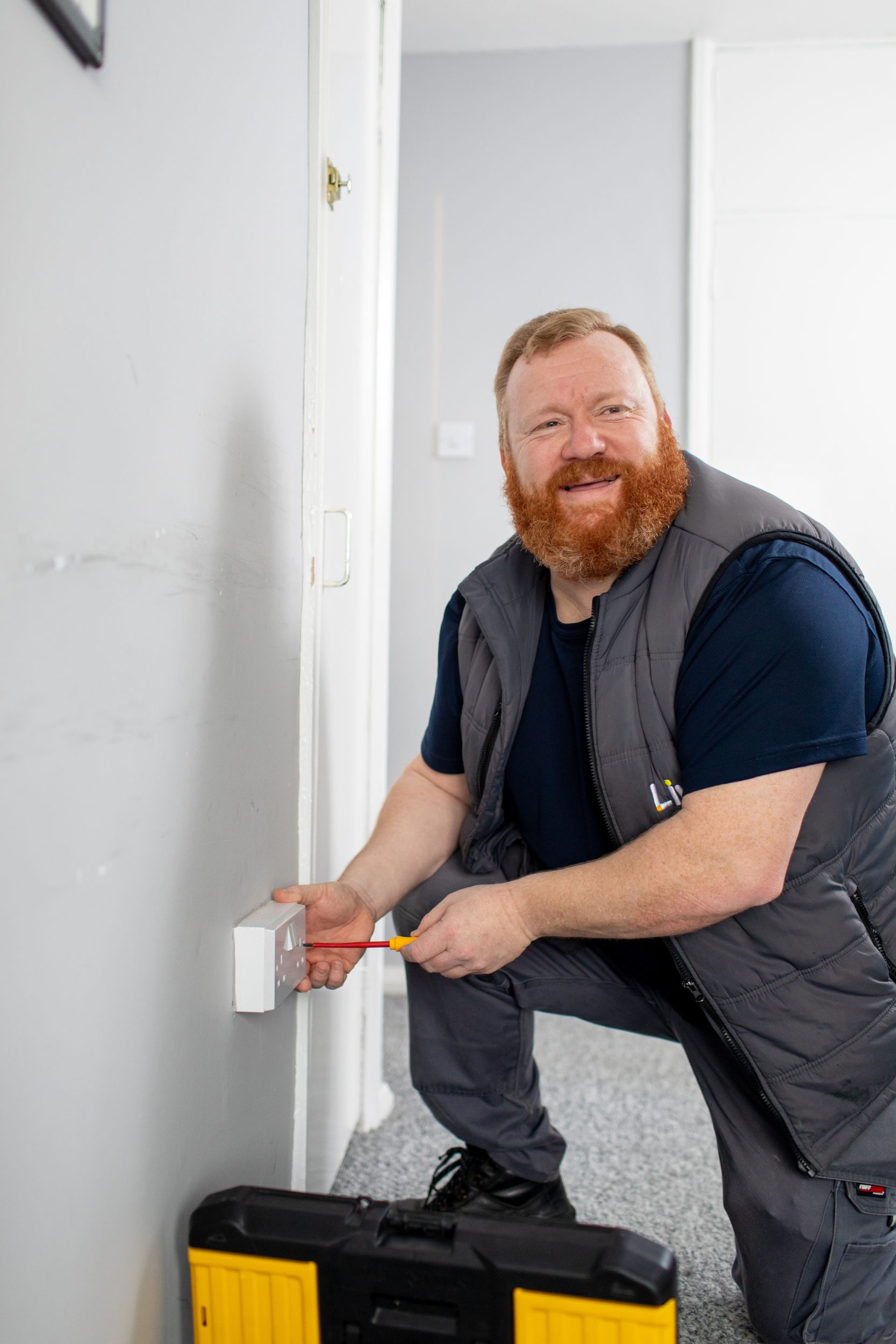
These repairs focus on making simple changes to your home that reduce the chance of pests getting in.
Examples of some of the works we may do include:
- Filling small gaps or cracks around pipework
- Sealing minor holes in skirting boards or flooring
- Fitting or replacing draught excluders on doors
- Applying mesh or sealant to small ventilation gaps
- Repairing or replacing a small section of damaged sealant
- Re-attaching or securing loose kickboards in kitchens
- Replacing damaged bath panels
- Installing door sweeps or bristle strips on internal doors
- Clearing minor blockages in external drainage
Major Repairs are completed within 56 calendar days from the time a surveyor visits your home.
Major repairs usually involve fixing structural issues or larger openings that allow pests or infestations into your home. These repairs may require multiple contractors or create some disruption inside your home.
If we identify that major repairs are needed, we’ll arrange for a surveyor to visit your home.
- Urgent Survey: If there’s an active infestation in your home, we’ll visit within 7 calendar days
- Routine Survey: If there’s no active infestation in your home, we’ll visit within 28 calendar days
Major Repairs take longer and may require planned work rather than a quick fix. Examples of this type of work
include:
- Replacing rotten or damaged sections of external doors, window frames, or fascia boards
- Repairing or replacing large areas of damaged plasterboard or internal walls
- Fixing or replacing sections of damaged flooring or floorboards
- Rebuilding or repairing brickwork where large gaps or holes exist
- Repairing significant defects in roof spaces that allow pests to enter
- Replacing sections of cavity wall insulation damaged by pests
- Resolving major drainage faults or repairing broken external gullies
- Rebuilding damaged external vents or installing new, larger pest proof covers
- Undertaking extensive repairs in lofts or empty spaces where pests have caused damage
Preventing Pests
To help keep your home free from pests and infestations, try to:
- Keep rooms clean and free from clutter
- Reduce moisture and condensation in your home by opening windows regularly and using extractor fans when cooking and showering
- Store food in sealed containers
- Clear away food waste promptly
- Keep gardens tidy and clutter-free
- Remove dog mess regularly
These small steps can make a big difference in stopping pests and infestations.
Public Areas
If pests are regularly seen in public areas near your home, we’ll work with the local council to help manage and stop these issues.

Download this information
You can download our Pest Control Service Standard information by clicking the below button.
Our promise to you
Our Service Standards are built around our core service principles. We will always:

Listen and understand

Treat you with respect

Take responsibility

Keep you informed

Do what we say we will